
 Español
 Portugues
 Pусский
 Français
 Deutsch
 日本語
日本語 한국어
한국어 العربية
 Italian
 Nederlands
 Ελληνικά
 Svenska
 Polski
 ไทย
ไทย Turkish
 हिन्दी
 Indonesia
 Melayu
 Tiếng Việt
 dansk
dansk Magyar
 বাংলা
বাংলা čeština
 Soomaali
 မြန်မာ
 فارسی
فارسی українська
 norsk
norsk Gaeilge
 беларускі
 Română
 ພາສາລາວ
 Filipino
 lietuvių
 Cymraeg
 Suomalainen
 o'zbek
 اردو
اردو հայերեն
 سنڌي
سنڌي Hrvatski
 íslenskur
 galego
 català
 Zulu South Africa
 ಕನ್ನಡ
ಕನ್ನಡ Indonésia Sunda
 Кыргызча
 тоҷикӣ
 Србија
 Hawaii
 नेपाल
नेपाल euskara
 latvija
 پښتو
پښتو საქართველოს
 bosna
bosna Eesti
Eesti Azerbaijani
 Shqipëria
 Malta
Malta Kikongo
 Eʋegbe
 Fiji
Fiji Tonga
Tonga 中文站
中文站
 +86-514-88253368
OCIMF Mooring Rope
Mooring ropes are essential components in the safe berthing and securing of ships in ports and terminals. These ropes are subject to rigorous quality, specification, and operational standards to minimize risks and enhance safety during mooring operations. The mooring rope typically connects the vessel to the shore, taking up and absorbing the forces imparted by wind, current, waves, and the vessel's movement. Over the years, industry guidelines have been developed to ensure proper selection, management, and use of mooring ropes on various types of vessels.Mooring ropes can be produced from a range of materials, including natural fibers, wire, or—most commonly for modern shipping—synthetic fibers such as polyamide (nylon), polyester, and high modulus polyethylene (HMPE). Each material offers distinct properties in terms of strength, stretch, durability, and weight. For example, polyester ropes offer excellent strength and low stretch characteristics, while nylon ropes are valued for their ability to absorb shock loads due to their higher elongation properties. HMPE ropes provide high strength-to-weight ratios and excellent resistance to chemical and environmental degradation, making them suitable for harsh maritime environments.The design, construction, and selection of mooring ropes are determined by various factors, including vessel size, expected operating environment, berth arrangements, and the configuration of the ship’s mooring equipment. Modern best practices emphasize a “system approach” when selecting ropes, ensuring compatibility with winches, fairleads, and mooring bitts, as well as evaluating the Minimum Breaking Load (MBL) of a mooring line to avoid mismatches that could cause premature failure.Proper mooring rope management is critical to ensure continued performance and safety. This includes routine inspection for wear, abrasion, or chemical damage; adherence to retirement criteria; and maintaining proper documentation of maintenance and replacement activities. Personnel should receive adequate training in safe handling practices, hazard awareness, and emergency response in case of snap-back or failure of a mooring line under tension.Additionally, the use of innovative technologies like snap-back arrestors, improved rope identification and tracking systems, as well as standardization of terminology and color coding, contribute to reducing incidents and enhancing overall safety on board. The industry continually reviews mooring practices and rope technologies, taking into account incident data and feedback from operational experience to promote safer and more efficient mooring operations worldwide.
Products
Category:
-
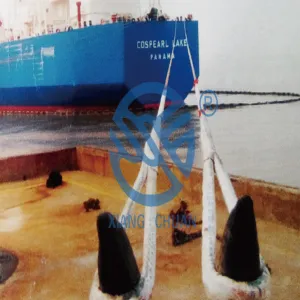
Mooring Tails
Category: Mooring TailsBrowse number: 34456Number:Release time: 2023-11-30 02:21:30Mooring Tails Manufacturers and Suppliers Factory
News
Category:
-
[Industry News]Can the mooring rope comply with meg4 withstand natural disa...
2023-11-26 02:51:57 -
[Industry News]What are the main steps in cable tension testing?
2023-11-30 01:56:44 -
[Industry News]The Endless Sling: Essential Equipment for Safe and Efficien...
2023-12-06 06:31:57 -
[Industry News]Are Endless Slings Suitable for Marine Applications?
2024-03-11 02:27:06 -
[Industry News]Understanding the Lifespan of "Endless Sling
2024-03-18 09:06:59 -
[Industry News]The Environmental Impact of Manufacturing Endless Slings.
2024-05-16 03:48:33 -
[Industry News]Are Endless Slings worth the investment in the long run?
2024-05-24 07:53:47 -
[Industry News]Can Mooring Tails Help Prevent Accidents?
2024-07-02 08:56:53 -
[Industry News]Can Endless Slings be customized for specific applications?
2024-07-12 08:37:42 -
[Industry News]Can Mooring Tails Enhance Boat Stability?
2024-07-22 02:36:53 -
[Industry News]What sets endless sling apart from traditional straps?
2025-04-26 00:55:38 -
[Industry News]How to choose the right endless sling for specific tasks?
2025-05-12 02:26:32
Case
Category:
No search results found!
Video
Category:
No search results found!
Download
Category:
No search results found!
Job
Category:
No search results found!
Featured Products
-
NEWS
Mooring Tails
Learn more



 Phone
Phone